The Sound of a Shifting World
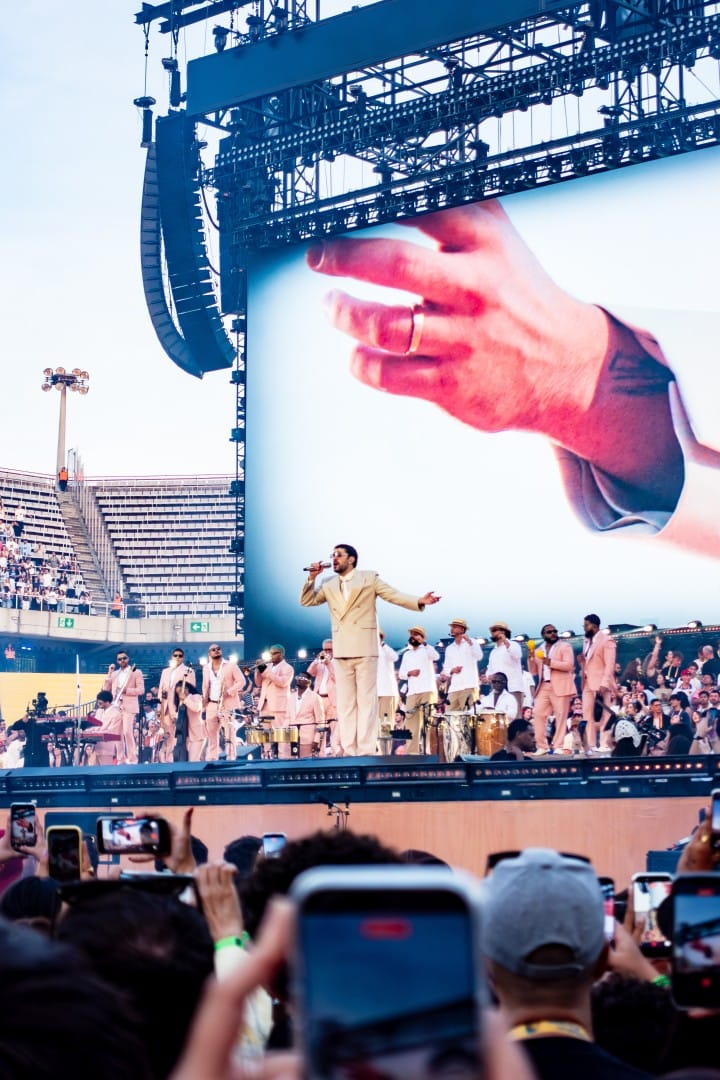
Some artists create songs. Others become the soundtrack of an era.
Bad Bunny belongs firmly to the latter. His rise is more than a story of chart-topping albums and sold-out arenas. It reflects a broader cultural shift — one where influence no longer flows from a single center, but from many places at once.
From the streets of Puerto Rico to the world's largest stages, Bad Bunny has built a career without abandoning the language, rhythms, or identity that shaped him. In doing so, he has challenged long-held assumptions about what global pop music should sound like — and who gets to define it.
Yet his impact extends beyond music. Fashion houses, sports arenas, and cultural conversations have all become part of his orbit. He moves effortlessly between them, not as a celebrity chasing relevance, but as someone who understands that modern culture is increasingly fluid, connected, and borderless.
What makes Bad Bunny compelling is not simply his success, but what it represents. His story speaks to a generation that feels comfortable inhabiting multiple worlds at once — local and global, digital and physical, traditional and new.
Every era produces a handful of figures who capture the mood of their time. Not by following trends, but by quietly reshaping them. Bad Bunny has become one of those rare figures — a cultural compass for a world still discovering where it's headed next.
Away from the noise.
Only the content that interests you, away from the noise and calm. Subscribe to our curated newsletter.


