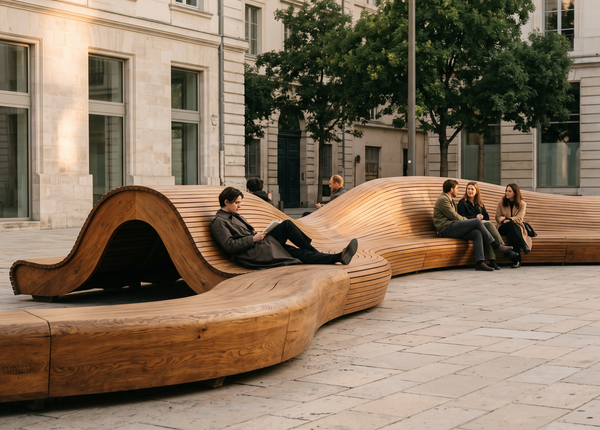
Stations Designed for Living
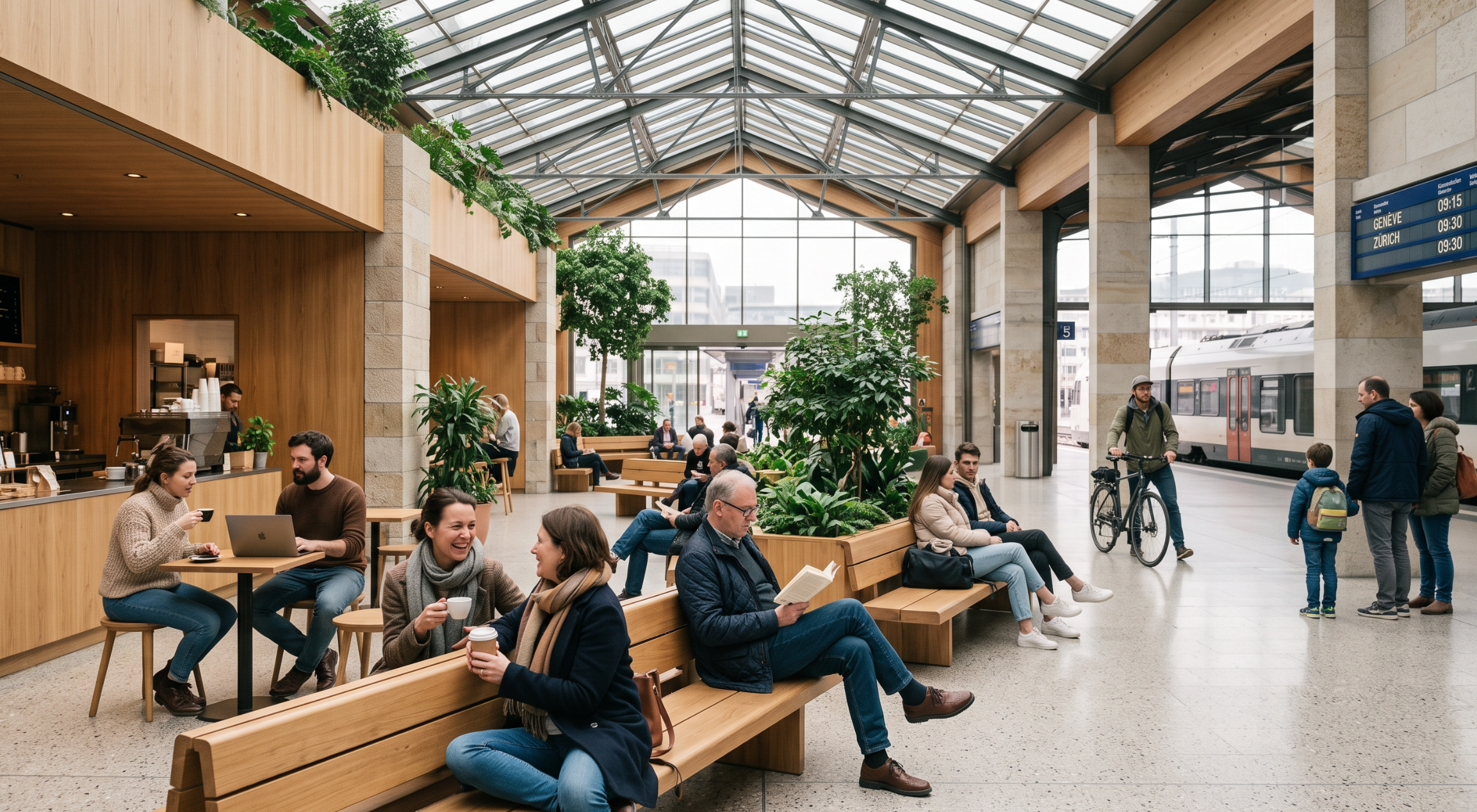
Modern railway stations are no longer just transport hubs—they are becoming vibrant public spaces that support everyday urban life.
Across many European cities, a new generation of railway stations is redefining the role of public infrastructure. Rather than serving simply as places to catch a train, these buildings are evolving into lively destinations where people can work, meet, dine and spend time, whether they are travelling or not.
Thoughtfully designed stations maximise natural light, feature intuitive wayfinding systems and provide comfortable public seating that encourages people to pause rather than rush through. Independent cafés, bookstores, local food vendors and co-working spaces are increasingly becoming integral parts of these environments, transforming waiting time into an opportunity to relax or be productive.
The most successful transport hubs are not necessarily the most spectacular from an architectural perspective. Instead, they prioritise the everyday experience of their users. Clear signage, barrier-free accessibility, durable natural materials and uncluttered interiors reduce stress and help travellers navigate busy spaces with confidence. Good design quietly supports movement without demanding attention.
As cities place greater emphasis on sustainable mobility, railway stations are becoming central gathering places that connect more than just transport networks. They link neighbourhoods, encourage local businesses and create welcoming civic spaces that remain active throughout the day. A well-designed station contributes not only to more efficient travel but also to a stronger sense of urban identity and community.
In the end, the best stations are those that feel like an extension of the city itself—places where movement, architecture and everyday life come together in a seamless and human-centred experience.
Away from the noise.
Only the content that interests you, away from the noise and calm. Subscribe to our curated newsletter.