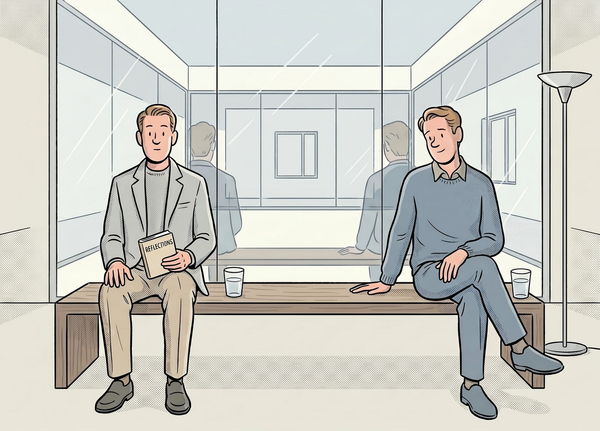
A New Life, One Video Call Away

Remote work was supposed to change where people worked. Instead, it may be changing where—and how—they choose to live.
For decades, career ambition came with a familiar bargain. The most desirable jobs were concentrated in a handful of expensive cities, and workers followed them. They accepted smaller apartments, longer commutes and higher living costs in exchange for opportunity.
Then, almost unexpectedly, that equation began to change.
Five years after remote work became a mainstream reality, its most significant impact may no longer be found in office buildings. It is visible instead in smaller cities, coastal towns and once-overlooked communities that have become home to a new generation of mobile professionals.
On a weekday morning, a software engineer logs into a meeting from a renovated farmhouse. A marketing manager joins a video call from a seaside apartment. A financial analyst who once spent two hours a day commuting now walks her children to school before opening her laptop at a neighborhood café.
The shift is not merely geographic. It is cultural.
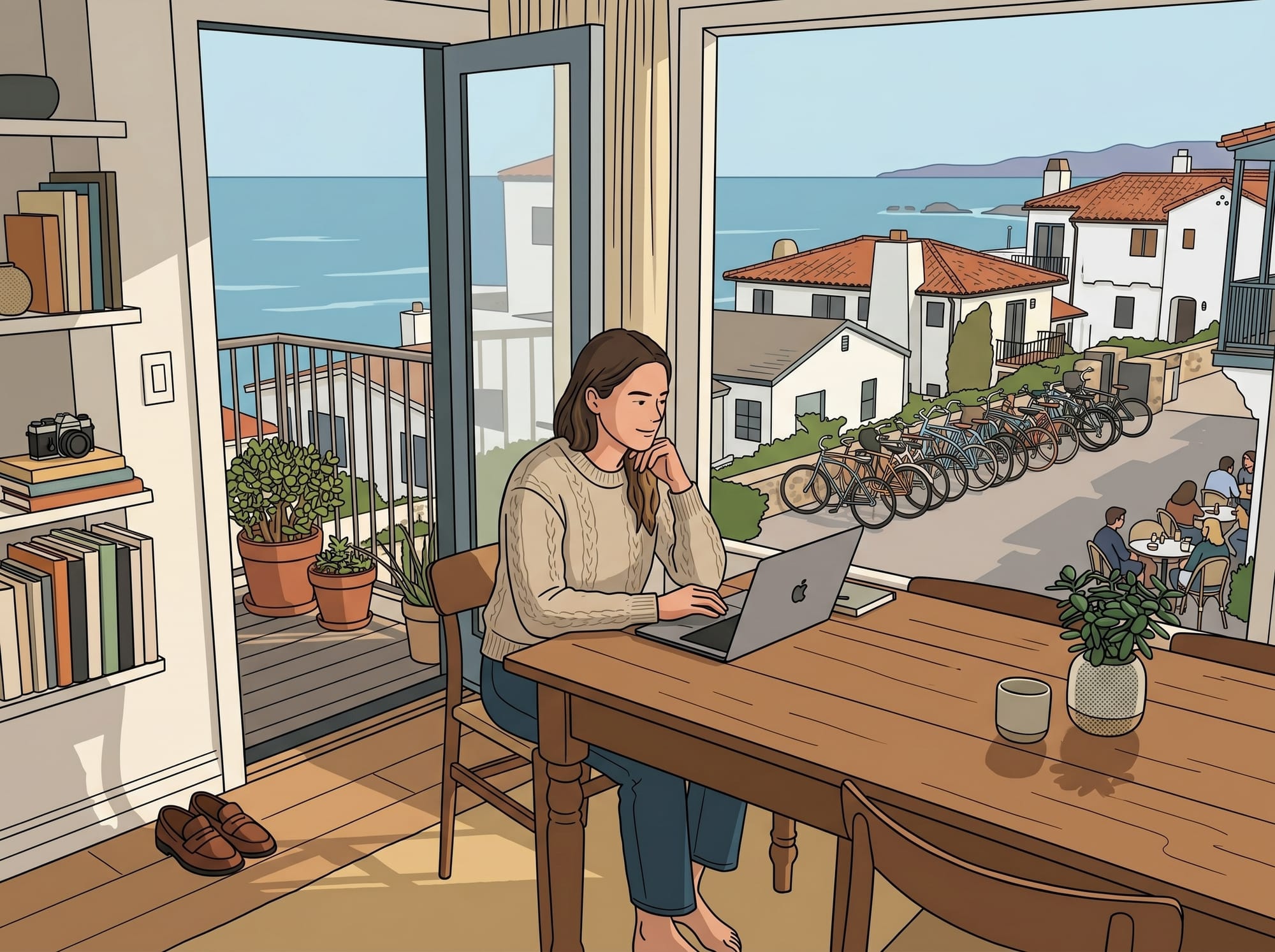
Workers who once organized their lives around proximity to an office are increasingly making decisions based on lifestyle. Access to parks, affordable housing, good schools and a sense of community have become as important as being close to corporate headquarters.
For smaller cities, the arrival of remote workers has brought both opportunity and tension. New residents often contribute to local economies, supporting restaurants, shops and cultural institutions. Yet their arrival can also push housing costs upward, creating concerns among longtime residents.
Employers continue to navigate the implications. Many organizations have settled into hybrid arrangements, blending in-person collaboration with remote flexibility. Executives praise broader access to talent, while managers grapple with maintaining culture and mentoring younger employees from a distance.
Economists increasingly view remote work not as a temporary response to extraordinary circumstances but as a lasting transformation. Technology has made location less relevant for millions of knowledge workers, weakening a pattern that shaped labor markets for generations.
The result is a subtle but profound redefinition of opportunity. Career advancement is becoming less dependent on a specific address. For many workers, success no longer requires living in the largest city or the most expensive neighborhood.
Remote work was once discussed as a workplace trend. Today, it looks more like a social one.
The office may still matter. But for a growing number of people, the center of daily life is no longer determined by where the company is located. It is determined by where they want to be.
Away from the noise.
Only the content that interests you, away from the noise and calm. Subscribe to our curated newsletter.
Related